PERSONAL Geographies

Is there more to finding a place than simply locating it on a map? What’s in a place-name? What is a place?

Place-names speak of people, peoples, communities and other plural forms and pluralities, of constancy, fixity, immortality and stability, of belonging and feeling home, of specificity and facts. They evoke memories and stir nostalgia in the homesick (and helped Avicenna diagnose cases of lovesickness).

Oftentimes, though, we travel (back) to where we belong or once belonged via words and images, native and foreign - rather than actual itineraries - and those in turn would intensify the presence, an intoxicating and tantalizing awareness of what it is to be oneself, to be home, to want to arrive more. To the places we come from, never leave, have never been to and have to go back to. The places that shape us inasmuch as they are our own ongoing creations.

A map might hopefully help, contingent on the practice of a proper cartography. For one thing, we’re no longer schoolchildren working on a jigsaw puzzle. There is no such a thing as one complete picture called Homeland that otherwise resides in undisturbed peace within the given geographic coordinates or inside history textbooks.

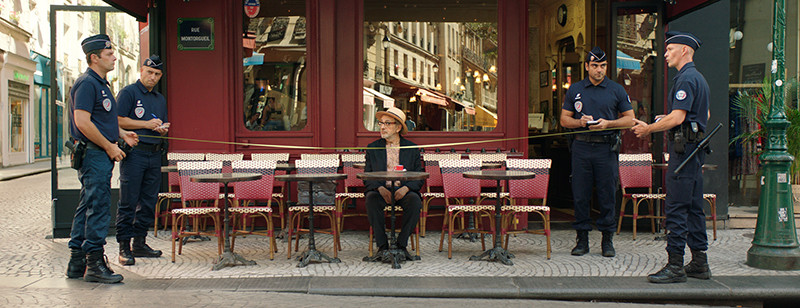
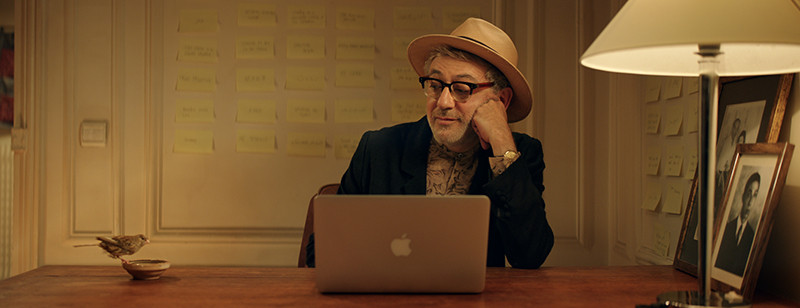
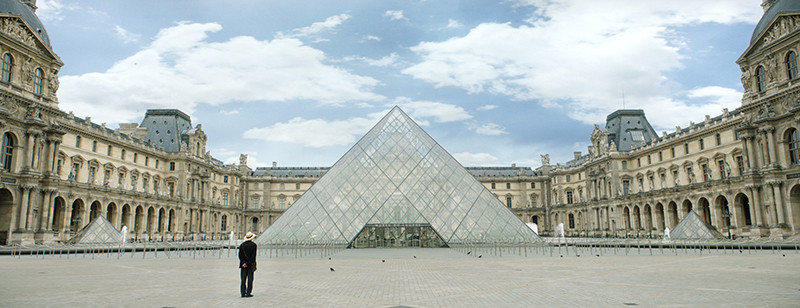
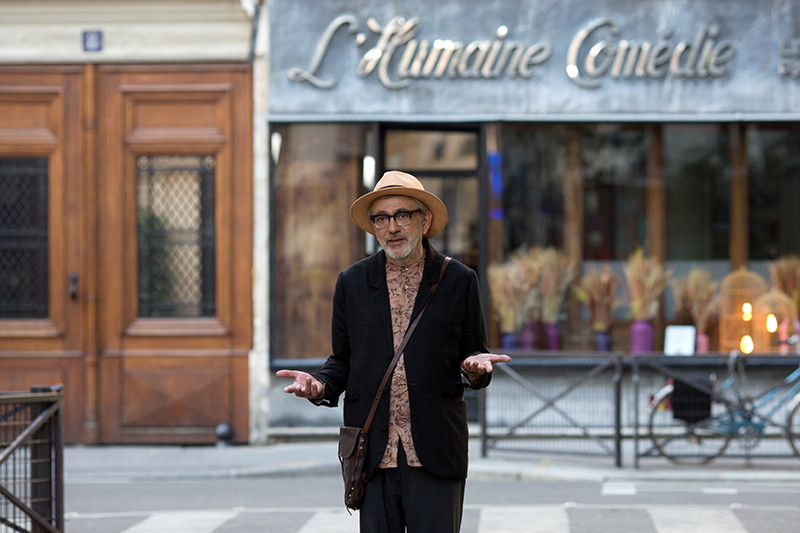
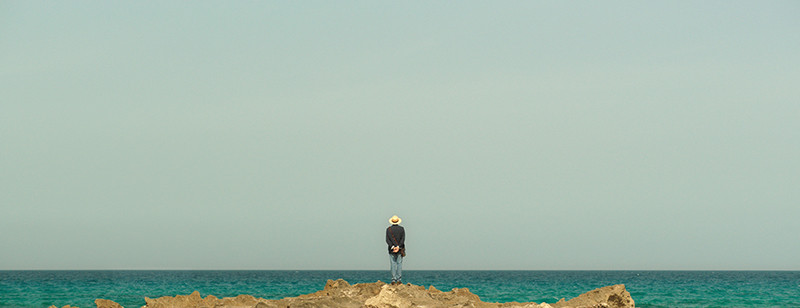
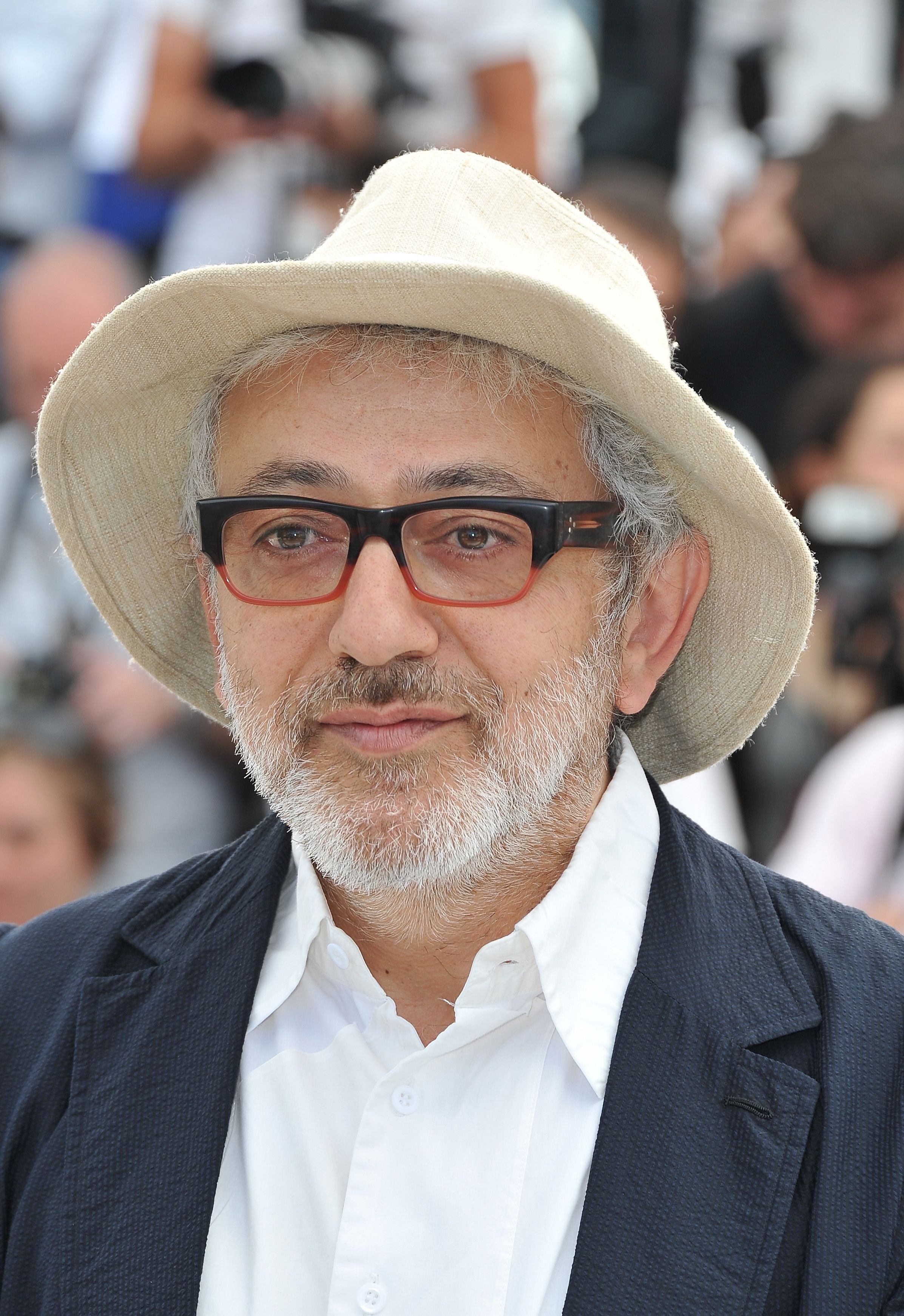
A fragmentary idea of home leads to something more like a shared collection of our mosaic compositions. It means that our longed-for homeland is necessarily a constellation-like archipelago scattered all around the world as well as existing in imagination… and sometimes It Must Be Heaven (Elia Suleiman, 2019). Does this to-each-their-own-Palestine navigation system mean a further separation from what is already a Palestine lost? Is it different for Their Algeria (Lina Soualem, 2020)? Or could it be that this, on the contrary, is the only way home?

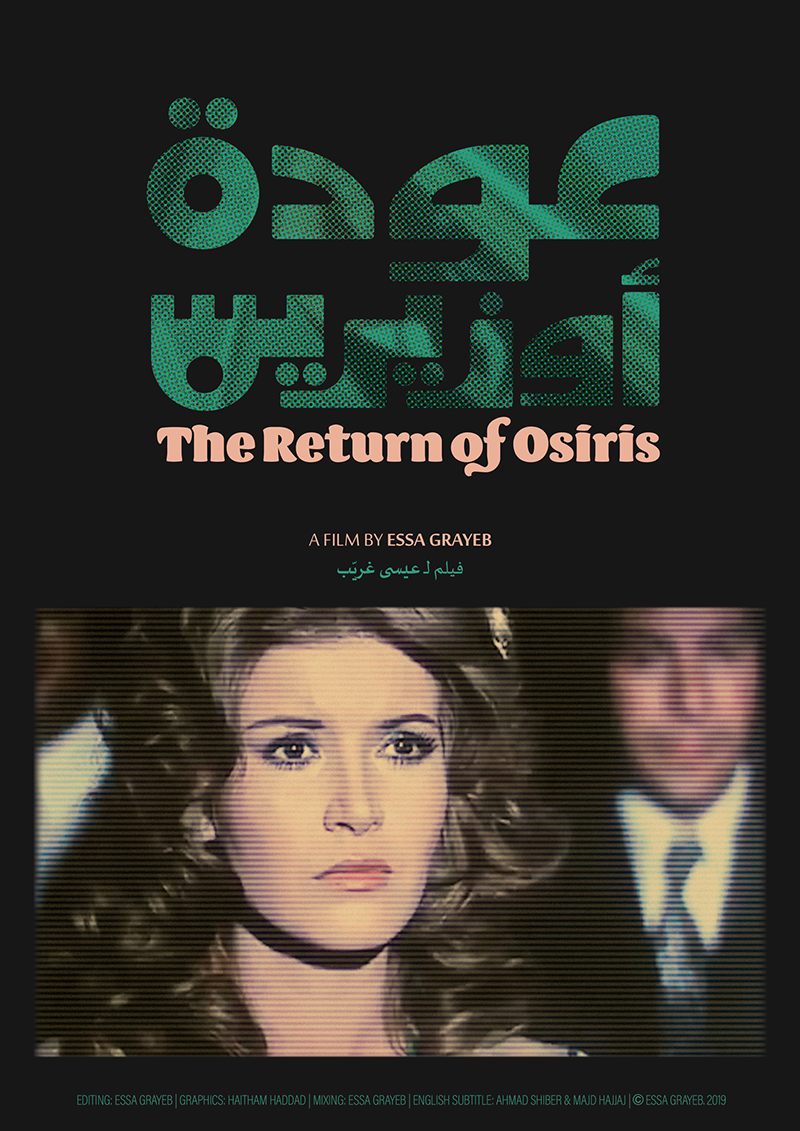
What about the young woman singing to the driver about the pain of separation, while “making haste slowly” and asking him to follow suit: Festina Lente (Baya Medhaffar, 2021)? All we know is she’s actively searching for a Tunisia, a Maghreb, or some South, piecing together, to that end, a map that would also respond to the distress of her lost companion. Likewise, for the sake of The Return of Osiris (Essa Grayeb, 2019) another child who has grown up tries to gather and restore a moment, a picture, a fallen soldier, a dead uncle or father, a childhood house.

Those are the two feature films - one narrative and the other documentary - and two found-footage shorts in "Personal Geographies", the latest film program in Cinema Akil’s “Pop-ups”, and its new collaboration with Warehouse421 as part of the latter’s Winter 2022 program. A responsive film program, "Personal Geographies" engages in a conversation with "Language is Migrant", an exhibition curated by Anushka Rajendran and hosted by Warehouse421. "Language is Migrant" is also the Abu Dhabi edition of Colomboscope’s 7th festival, a Sri Lankan platform for contemporary art and interdisciplinary dialogue.

 

cinema-akil-60f0116964daa.png (original)  


Ruins of Time, End of Place

In the period of colonization when it is not contested by armed resistance, when the sum total of harmful nervous stimuli overstep a certain threshold, the defensive attitudes of the natives give way and they then find themselves crowding the mental hospitals. There is thus during this calm period of successful colonization a regular and important mental pathology which is the direct product of oppression. Today the war of national liberation which has been carried on by the Algerian people for the last seven years has become a favorable breeding ground for mental disorders, because so far as the Algerians are concerned it is a total war. (Frantz Fanon)

Suleiman’s newest film It Must Be Heaven (2019) returns to a world eerily similar to that of his first feature film, Chronicle of a Disappearance (1996), and can be read as an appendix to the whole trilogy (which continued with Divine Intervention, 2002, and The Time That Remains, 2009), a similarity that accentuates a state of inertia, circularity and strandedness, that in turn extends any presumed expiry date for Suleiman’s turn-of-the-century language, still maddeningly valid for an articulation of “The Question of Palestine” today, with its persistent absurdity and cruelty, but now also gaining a strange kind of momentum and relevancy as it spreads all over the world in multiple ways. The film thus mixes Palestine’s long lost time with its now-familiar “suspended time”, adding to the mixture conspicuous traces of the world of today and even of what now seems to be the film’s tomorrow.

Suleiman's narrative-launching scene, one of his signature free-floating tableaus, prepares us for the eye he has for surreal violence, which he so ably defamiliarizes, taking it seriously while poking benign fun at it, namely his tireless follow-up observation of people losing their minds under colonial power, and now also under the globalized surveillance state; engaging in absurd cockfights and other banal spectacles. It’s the same madness, thanks to Suleiman's antidote, that provides a breathing and venting outlet, unburdening the characters and the viewers from the legacy overshadowing them and their realities. Here, his tactic lends the traditional Christmas procession in Nazareth the warmth and lightheartedness of an informal community gathering, making it into a promise of the carnival, while detracting from the sombreness, solemnity and clichéd politics around the most central part in the religious narrative of the conflict. Is Suleiman also mocking himself by referring to the Resurrection of Christ, with this comeback film, which can be easily mistaken for a mere act of self-repetition, following a 10-year hiatus? (The equivalent and equally Biblical scene in the final installment of the trilogy plays with the name of Elia/Elijah.)

Suleiman’s favorite themes and motifs and his stylistic hallmarks are all present: “Neighbor!”, the cursing, the songs, the blindfolded Palestinian who can still see, the choreography, the theatricality, the quasi-symmetry framing chaos and randomness, the brilliant creative recycling of the cliché (reaching a high of the entire catalog across his ouevre with the ghost of Palestine herself finally making an appearance). But the main difference this time is that for the first time we actually see beyond the airport, as Suleiman extends the power of his scathing visual scrutiny to the two western cities in which he lived and worked, and as Elia, approaching the age of sixty, continues to peacefully, or rather meekly, resist, by withdrawal and in astonished silence, while trying to find the sanity and security of meaning and logic in orderliness and ritual. His only out-of-character behavior, wielding the handheld detector that almost becomes a martial magic wand at the airport, is a tongue-in-cheek salute to the universe and superhero fantasies of Divine Intervention.

Elia’s traveling experience fuses with the script of the rejected film within the reflexive film, as the verdict of the French producer deems all this as three levels of a failed representation; “not Palestinian enough… might as well be set anywhere else.” Does this partly explain the 10 years without images? Does it also confirm that Palestine has become everywhere and nowhere?

***

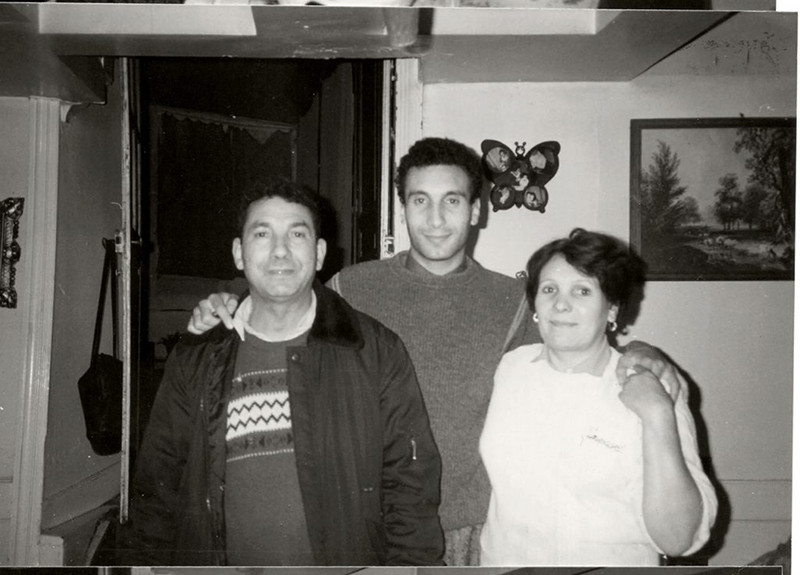
I was born with red, well-defined plaques all over my body and face, in the form of archipelagos or huge continents; a sort of intimate customized world map. They told my mother it was eczema. But she always knew it was something else. When I was eight years old, they finally established a diagnosis: Erythrokeratodermia variabilis. It is a rare syndrome, a female-dominated skin condition, due to what they call “the casual circumstances of human genetics. … The dermatologist then asked me if there had been crossed migrations between my parents’ two countries of origin. … Palestine and Algeria (Lina Soualem)

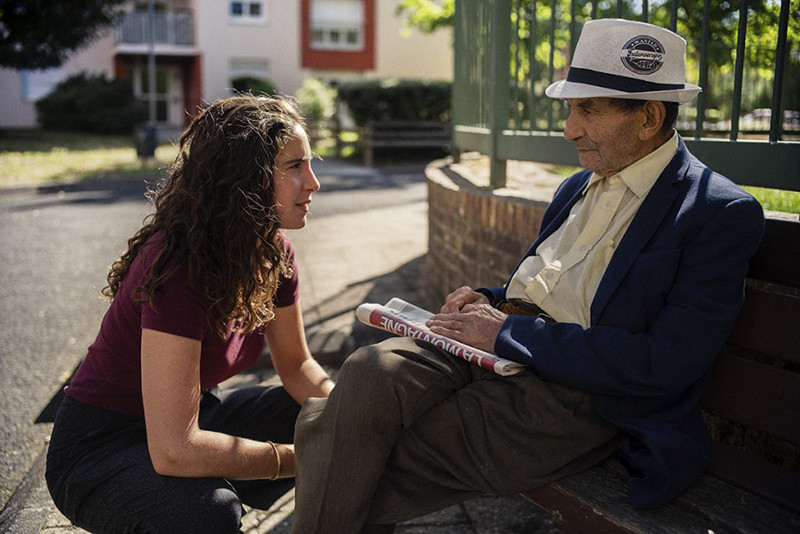
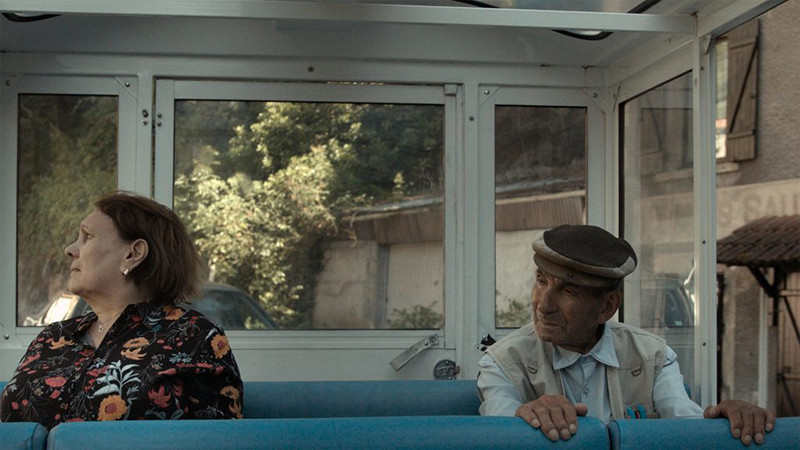
In Their Algeria (2020, Lina Soualem’s debut), we see another “exile” cinema, and as such an Algerian cinema, not in the strict old sense depending on the origin country of production, when public and private sectors sustained an Arab(ic) film industry at home. As in Mahdi Fleifel’s A World Not Ours (2012), the trajectory of making the film begins in its prehistory at the hands of the filmmaker’s father at the peak of VHS camcorders (the on-and-off timestamp is recorded to the minute). We watch Lina’s early childhood, her father (Zinedine Soualem) in work costume as a mime, and then behind the camera, trying to defy or disrupt her Francization, only stopping her grandparents in their tracks as they pause for a long moment, their minds blank, before they find a single Arabic word to say and repeat to the child—and to us, since it’s the imperative form of the verb “look”. A flash forward to the present replaces the footage with a recorded video call (untimed, undated), which shows us the house emptied from its inhabitants and contents, with Aïcha and Mabrouk having separated; their marriage had lasted 6 decades that began on the eve of the Algerian War of Independence.

In the criss-cross of the multidirectional dialogue at the core of the film, for which the scarce voice-over narration makes way, letting it into the ample room of visual narration, we’re indeed bearing witness to two separate yet closely related decades-long overdue demonstrations. The much less wordy one is a conjugal protest, performed by an indignant Aïcha through cynicism and expressive body language, and on the part of her dejected ex-husband, whom she still looks after, almost completely silent. The other protest involves Aïcha, again the wife/mother/grandmother, struggling to retire from the lifelong unpaid (and unthanked) domestic labour that began in childhood in rural Algeria, and Mabrouk in his last stand against France over what it did to him and his fellow Algerian workers—while admiring, even envying, what it did with them as his internalized inferiority muffles a cri de coeur for justice. While he laments the abandoned factory whose products are now hosted in Musée de la coutellerie in Thiers, Aïcha laments the abandoned house now on sale. The spirit of the opening scene endures with the two characters trying to open up to their granddaughter, who would prove to be an unexpected direct link with the homeland.

Algeria is t/here, “an Algerian is an Algerian,” no matter where and no matter what, but what does that mean? Homeland is also the cemetery in Thiers where uncles and cousins are buried. Algeria is a wedding in Thiers on a video cassette in the filmmaker's childhood imagination. Their Algeria: their islands—it’s more than the etymology of the country’s name chosen by a tribal dynasty a millennium before the Algerian independence, as documented by al-Idrisi and al-Hamawi. The separation of Aïcha and Mabrouk, the gulf between their experiences, is an embodiment of the transformation of the homeland into a more and more scattered archipelago. The speech birthed, the memory intimately interrogated and the silence mapped all belong to these two human islands and their offspring—washing (away) islands of Algerian Arabic dispersing throughout the film (according to an elusive affective law of time and setting). What’s the point of speaking? Mabrouk’s reported rhetorical question resonates. What are we talking about? What’s the story we’re telling? Why look at those painful pictures—for example, those of the fathers and mothers left at home to be bereaved in the lifetime of their sons and daughters in diasporas? “We never talked about these images!” Lina prompts Zinedine. “You never said anything to me!” her father had exclaimed to his father. The memory is childish, as the narrator of The Days (Taha Hussein) notes: It captures the exact number of apricot trees (Mabrouk’s memory) and the date of the wedding day (Aïcha’s memory). By contrast, key moments and entire episodes are forgotten and/or shrouded in silence and thus oblivion. "Like in the movies" is Aïcha’s alternative memory, behind awkward laughter, of the consummation of her marriage (the French that allowed Assia Djebar’s narrator to talk about love in the half-autobiographical, half-colonial-history, L'Amour, la fantasia, doesn't work this time around). An old French documentary sympathetic to the Algerians points to the source of her belated knowledge of what was happening around her, how it happened and since when it was happening, as she roamed her childhood’s Algeria like sheep in blissful ignorance.

*** 

Could we migrate to the 'wounderment' of our lives? To poetry itself? (Cecilia Vicuña)

Art can be the most fertile surrogate territory for a bankrupt political imaginary to regenerate itself. Palestinians can write their future in film. This, too, is ‘post-Oslo’ cinema. (Rasha Salti)

Baya Medhaffar’s debut (Festina Lente ya ‘am el-Chefour!, 2021: Festina Lente, Mr Driver!) begins with the dawn, the dawn prayer and “The Opening of the Book”, and closes with childhood—from one beginning to another. Medhaffar, her film and its creatures, all stutter in the same way that, as Deleuze describes, some writers, their characters, dialogues, universes and their entire literary texts do. The stuttering begins from the title's multiple languages and registers: Latin mixed with Tunisian Derja and Arabized French with a tinge of classical Arabic—a confusion compounded by the paradox of the Latin oxymoron: make haste slowly. The sense of linguistic loss also speaks to feeling lost in geography and history, while having to make a move after waiting so long for a divine answer to countless prayers for the Straight Path.

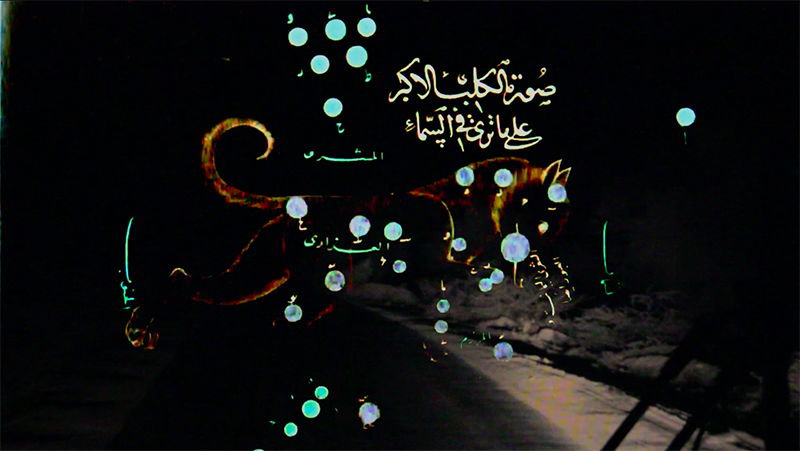
Roads are forking paths, earthly, celestial and heavenly, and all must be taken for the space-time impossibility to be charted out, for a map that would reconcile all oppositions, all the truths so far negating one another and none of them is sufficient at all on its own: quantum mechanics and relativity, ancient and future knowledge, the experiences and voices of every human being, every living creature, and every object. What at first glance looks like a simple line soon bifurcates. How can verbal language account for a tree? What’s involved in approximating a constellation by virtue of our age-old mental habits via an image of an animal? With the much-needed restraint, Medhaffar carves out secret tunnels with enough room for all, inside the infernal carceral labyrinth.

***

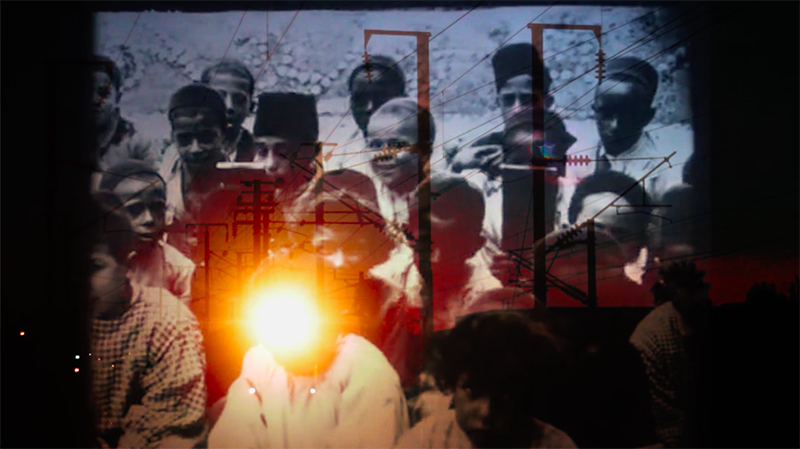
The nightmarish repetition of the 1967 defeat speech in Essa Grayeb's video art piece (The Return of Osiris, 2019) is a new utilization by contemporary artists and filmmakers in the region of the potential of collage films, with their hallucinatory, labyrinthine and dark comical character, generally present in found footage films like Medhaffar’s (Shadia's song for her beloved dragging his feet on his long way back under the blazing sun, in the latter, lurks in the background of the former with an additional pertinence). As Raed Yassin traced Mubarak’s photographic portraits in Egyptian movies (The New Film, 2008), Grayeb picks up where he left off in an art project that collected pictures of Nasser and hanged them on (exhibition) walls, to revive a moment from his childhood overlapping another in the history of Palestinians, when, until the end of the 20ths century, the insides of their homes were plastered with Nasser’s pictures, to the extent that young Grayeb was under the impression he was a deceased uncle. This display of the face that needs to be forgotten, along with an attempt to collect and piece together the fragments of the televised speech from the movies and TV serials, is Grayeb’s projection on and through the form what the ancient Egyptian mythology projects on Modern Egypt’s moment of destruction/foundation, as Nasser/Osiris returns to life/power, body parts brought back together from all over the place (nomes/public squares/moving images), and falling into place.

Christ is risen. Osiris is risen.


[This is a much shorter version of the Arabic original, which delves more into the question of “post-history” and further situates the program films in the context of arthouse contemporary Arab cinema.]


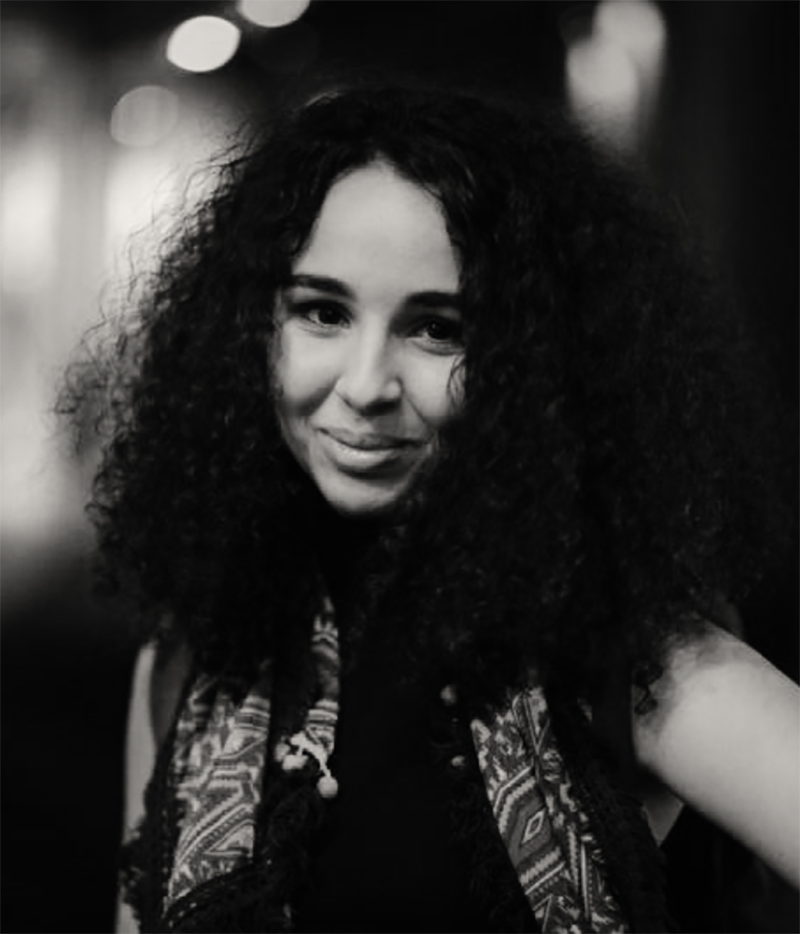
Mahammad Hoogla-Kalfat is a cultural professional based in Cairo, Egypt. He has translated widely between Arabic and English, co-founded and edited Terr.so, a film e-zine, hosted and curated film screenings, contributed to publications, and is currently writing a book, Taghtiat-ul-’Ury (Covering the Naked), supported with a “Creative and Critical Writing Grant” by the Arab Fund for Arts and Culture (AFAC).